Select Page
All About Blood

All About Blood

All About Blood

All About Blood

What’s one thing you have in common with everyone you meet? Blood. whether you’re O+ or AB-, everybody has blood, and it plays a critical role in keeping you alive. In fact, blood probably does more for your body than you realize. You know that you need blood, but what does it do inside your body? How is it helping you? And after donating blood, how does your body replenish what you gave? Let’s dive into it! 

What is Blood?

You likely already have a pretty good idea of what blood is, but let’s bolster your understanding with a scientific definition. Blood is a bodily fluid in the circulatory system that travels via blood vessels to transport vital substances through the body and take waste products away from organs and tissues. Blood consists of four distinct parts:

  • Plasma – the liquid part of the blood
  • Red blood cells – the cells that carry oxygen from the lungs to the rest of the body
  • White blood cells – the cells responsible for fighting infections in the body
  • Platelets – blood cells that clot and control bleeding

Without blood, your body wouldn’t be able to get the nutrients and oxygen it needs, nor could it fight off infection and keep you healthy. To fully understand the critical importance of your blood, let’s take a closer look at what it does.

What Does Blood Do?

As mentioned, blood travels through the body to deliver nutrients and remove waste. Your blood vessels function like a complex highway network that weaves through different parts of your body.  Blood is the carrier that travels this highway. Deliveries on this blood highway include vital elements such as oxygen, vitamins, hormones, antibodies, heat, and electrolytes. 

Not only is blood an effective delivery service for your body, but it is also a reliable waste manager. As it travels through the body, the blood picks up carbon dioxide and other waste products that your body doesn’t need and takes them to the kidneys, lungs, and digestive system to be removed.

In addition to these remarkable, life-sustaining functions, blood fights infections and heals bodily injuries. Blood contains white blood cells, which fight off harmful, foreign invaders such as bacteria and viruses. Also, if you’ve ever gotten a scab from a cut or scrape on your body, that scab is another example of your blood taking care of you. After an injury, blood rushes platelets to the injury site, where they cause the blood to clot and harden, sealing the wound and ensuring you don’t lose any more blood. This scab also keeps dirt, bacteria, and other harmful contaminants from entering the bloodstream. 

How Blood Travels Through the Body

Blood travels through the body via blood vessels that comprise the circulatory system, and your heart is responsible for pumping blood through those vessels. Blood leaves the heart through blood vessels called arteries, starting with the aorta. As blood travels through the body, carrying its delivery of essential nutrients and oxygen, it then passes through capillaries, which are thin vessels that connect the arteries and veins. The thin walls of capillaries allow oxygen, nutrients, carbon dioxide, and waste to pass to and from tissues in the body. 

From here, veins take deoxygenated blood back to the heart. As veins get closer to the heart, they get bigger in diameter, eventually merging into two primary veins known as the vena cava.  The superior vena cava is responsible for bringing blood from the head and arms, and the inferior vena cava carries blood from the abdomen and legs. The system of blood vessels in an adult human body is over 60,000 miles long, enough to wrap around the earth twice!

How the Body Cleans Blood

To rid itself of the waste it gathers throughout the body, blood must be cleaned. The three major organs that contribute to the cleansing process are the liver, lungs, and kidneys. The liver filters toxins and unwanted byproducts and extracts nutrients to be passed on to the rest of the body. Lungs remove unwanted gasses (carbon dioxide) and release them through breath. Finally, kidneys filter waste and byproducts that are then removed through the urinary system. 

Replenishing Blood After Donating

The average human adult has approximately 10 pints of blood in their body, and a typical donation of blood equals one pint. After losing this blood, your body works to replenish that pint. First, your body will notice that it has lost some red blood cells, and your kidneys will sound the alarm. The peritubular cells in the kidneys will sense the lower level of oxygen (due to the lack of red blood cells) and secrete a protein called erythropoietin. This protein is released into the bloodstream and then travels to the bone marrow. 

Bone marrow is where the magic happens. This spongy substance found in the center of bones is where stem cells are produced. Stem cells are the foundation of all other cells in the body, as they form the foundation for whatever cells the body needs. In this instance, because of the erythropoietin produced by kidneys, your body knows that these stem cells need to be made into red blood cells. From here, the stem cells will divide and become immature red blood cells that continue to divide and mature until your red blood cell count rebuilds to its original level. Within 24 hours of donating, your blood volume will be replenished; however, red blood cells take 4-6 weeks to be replaced entirely. 

Blood is vital to our bodies, so it’s crucial for blood banks to have enough of it on hand to help patients in need. That’s where you come in. Blood banks like The Blood Connection rely on volunteer donors to keep blood supplies stocked, because it can’t be made or manufactured anywhere else. 

To learn more about donating and to find a donation center near you, visit https://thebloodconnection.org/.


Donate Mate: Give Back at Outback

Donate Mate: Give Back at Outback

There’s never been a better time to stop by your local Outback Steakhouse! And The Blood Connection is giving you an easy way to eat for FREE.

TBC and Outback Steakhouse are working together to spread the word about blood donation. Partnerships like this are essential to the community’s blood supply. Outback Steakhouse’s enthusiasm to partner with TBC to host blood drives has helped TBC reach new donors and save more lives!

On December 1, 2022, select Outback Steakhouse locations in the Carolinas will host The Blood Connection for a collective blood drive. Blood donors will receive a $20 Outback eGift card and a free Bloomin’ Onion. After donating, donors can walk right in and enjoy a free dinner at Outback, a ‘thank you’ for saving lives!

Find a Mobile Blood Drive

December 1st at select Outback Steakhouse Locations

Click on the Location Name to make an appointment. 

North Carolina

Cary
901 Walnut St.
Durham
3500 Mount Moriah Rd.
Garner
845 US Hwy. 70 W.
Asheville 30 Tunnel Rd.
New Bern
111 Howell Rd.
Raleigh
7500 Creedmoor Rd.
Smithfield
911 Outlet Center Dr
Matthews
9623 East Independence Blvd.


South Carolina 

Spartanburg
1646 J.B. White SR Blvd
Columbia
252 F Harbison Blvd.
Florence
110 Dunbarton Drive
Mt. Pleasant
715 Johnnie Dodds Boulevard
North Myrtle Beach
1721 Highway 17 North
Beaufort
2113 Boundary Street


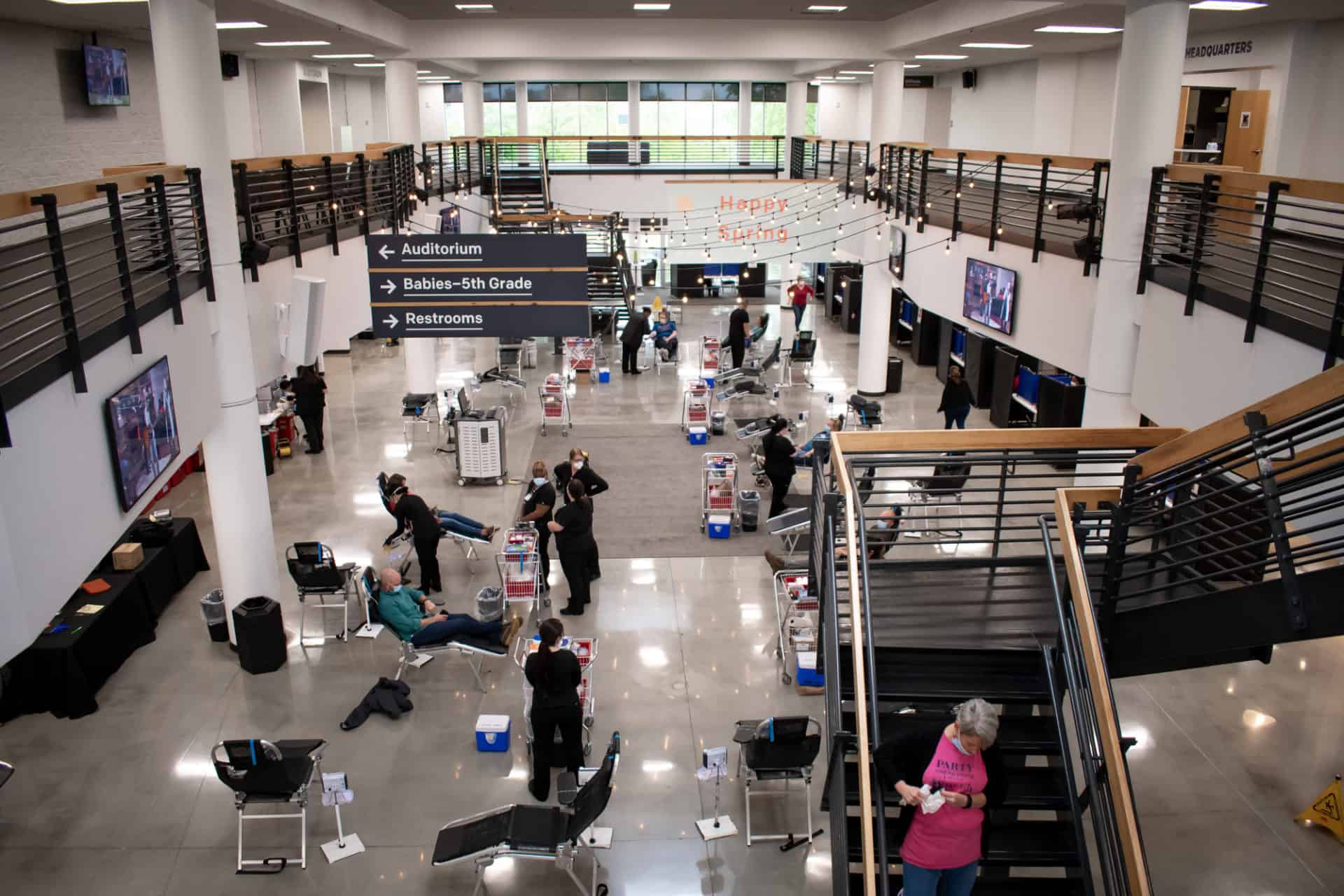
Giving Blood – A Great Experience at the Charleston Center

Giving Blood – A Great Experience at the Charleston Center

Giving Blood – A Great Experience

A blog by donor Kae Childs who gave at the Charleston Center

Giving blood is one of the most satisfying things I have done in a while! Of course, during the pandemic I haven’t done too much! But in years past, the times I have attempted to donate, the attendant who was taking my blood pressure would say things like “Are you feeling ok?” “Your blood pressure is extremely low and I’m sorry but we can’t take your blood today.” This happened so many times when I told my doctor about it, he said, “Don’t try to give any more. You just have low blood pressure.”

My son in law has been a regular donor for years.  When I was keeping their dogs recently I heard from the answering machine a missed call message from The Blood Connection reminding him to come in and give blood. That struck something inside of me to try again to give.

I kept hearing after I returned to Daniel Island about how blood was especially needed during Covid. I called to see what the correct protocol was to give in our area. I explained my past low blood pressure experience. She said to just come in and they could check to see if I were eligible. I took off because something told me that this time I could do it.

I arrived at The Blood Connection and sat down for her to ask me some questions.  She put the blood pressure cuff on my arm. The bottom number she said had to be at least 50. Mine was 51! She said, you’re good to go. Do you want to give? I did!

I finished answering all of the necessary questions on the form and was given a bottle of water to quickly drink. I was ushered into a large room with lots of big, black chairs. Surprisingly I wasn’t scared but just a little bit. She had no trouble (she was the expert) finding a good vein and within 30 minutes we were finished.

Over to the refreshment area she directed me where I picked out some crackers and a Sprite. On the wall I saw a poster that said by giving blood I had just saved three lives. Imagine that! I knew right then that I was hooked. I could hardly wait until time to give again. Next time, I thought to myself, I may even try to give plasma!

The Life-Saving Partnership with NewSpring Church

The Life-Saving Partnership with NewSpring Church

NewSpring Church Blood Drive Info


To show your support during this season of unknowns, make an appointment by following the links above. Your donation could give someone another day. *We strongly recommend that all donors make an appointment to adequately practice social distancing


Sammy Lewis and His 200th Donation

Sammy Lewis and His 200th Donation

Sammy Lewis and His 200th Donation

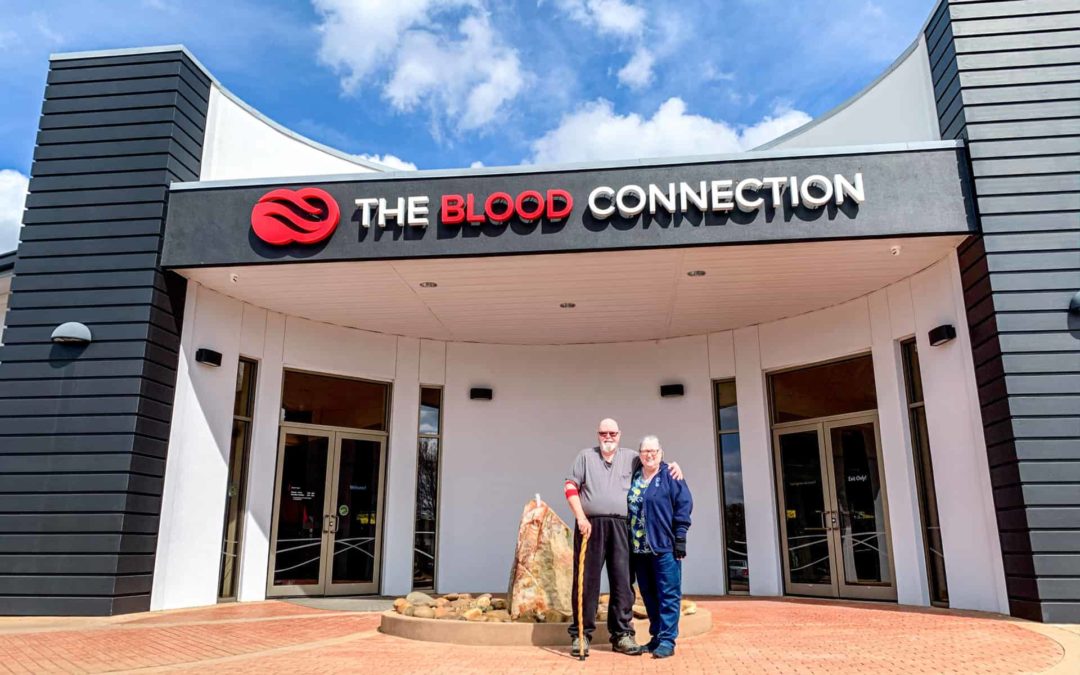
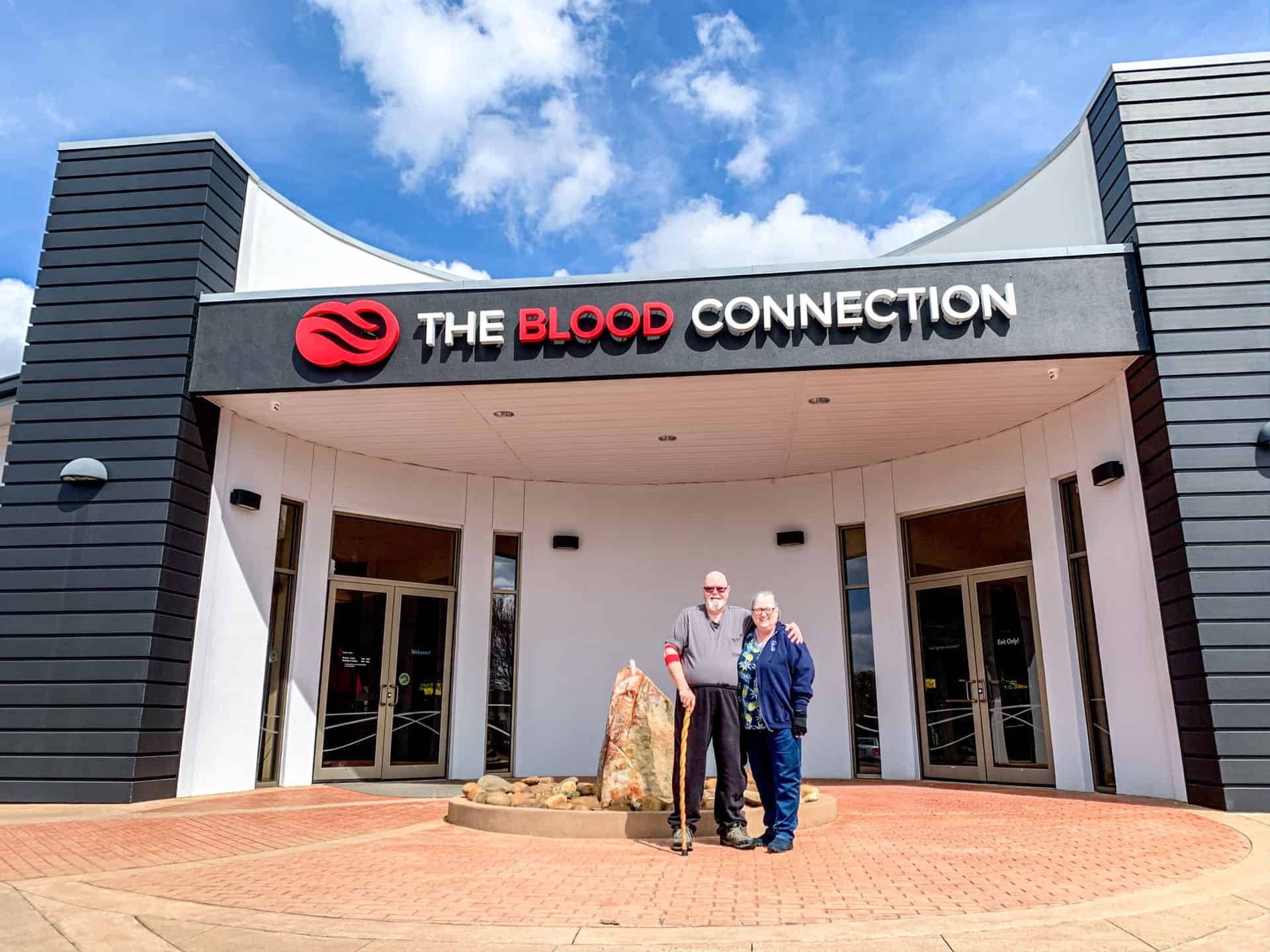
Meet Sammy Lewis! He has been donating blood with The Blood Connection when TBC first opened in 1962! Sammy said that he was donating one day on Grove Rd. in Greenville, SC when he saw people watching TV and was told they were donating platelets. This is what first sparked his interest in platelet donation! Sammy say, ” I remember the good old days when there was a needle in both arms.”

In 2009, he and his wife started to regularly donate blood as a family. This decision led to March 9th when Sammy hit his 200th donation with The Blood Connection! 

We are so blessed to have donors like Sammy and his wife who sacrifice their time and stand up for their community. 

Santa’s Community Blood Center

Santa’s Community Blood Center

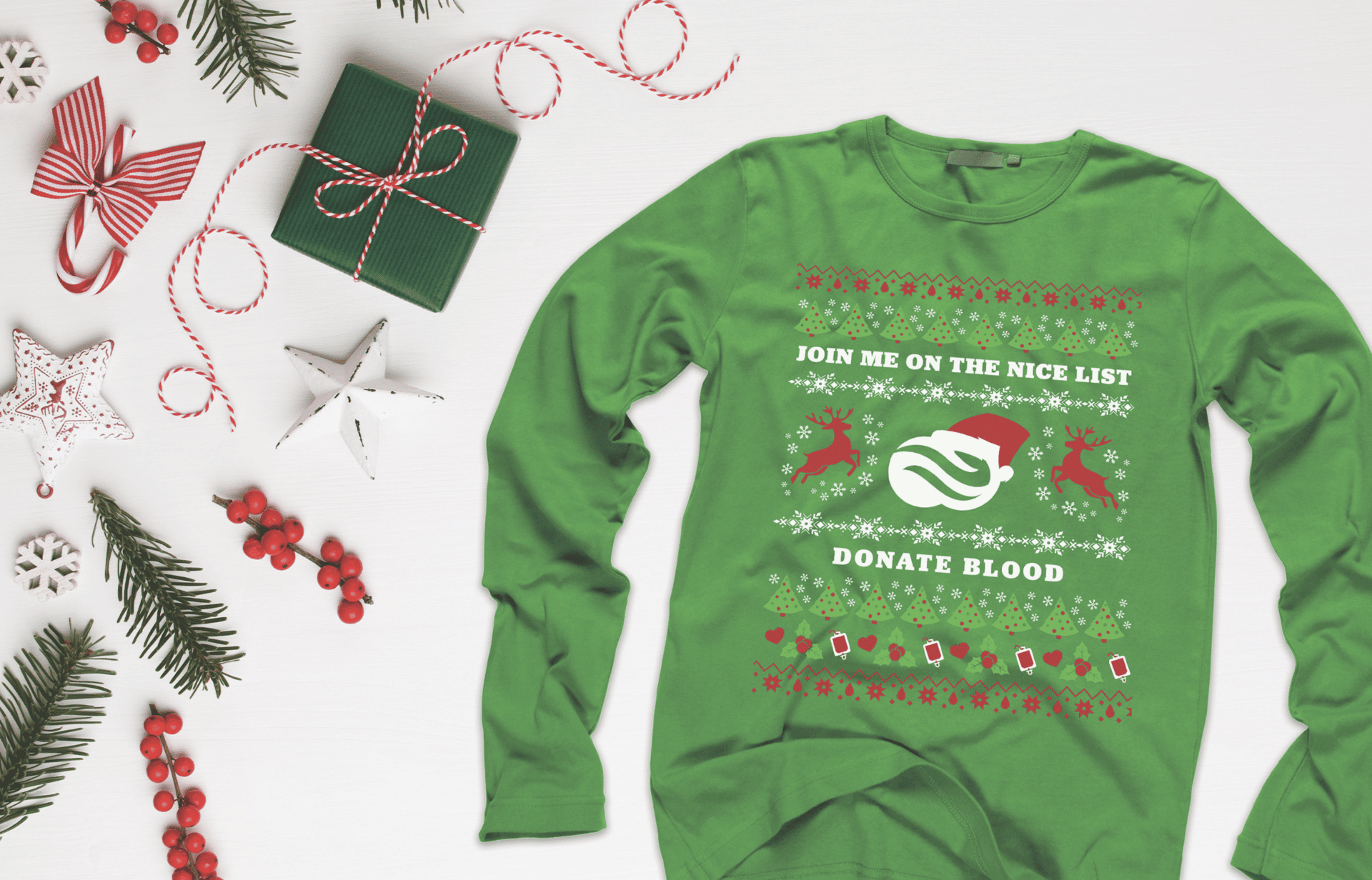
Join Us on the Nice List. Donate Blood.

During a month that’s filled with so much gift giving, The Blood Connection wants to thank our loyal donors by giving them a fun, festive, holiday shirt that makes it obvious that they’re lifesavers. It’s Santa approved!

Through December 24, all donors at our centers will receive a special “Ugly Christmas Sweater” t-shirt in addition to their choice of a $20 Amazon or $20 VISA card. The shirts are while supplies last, so hurry in before they’re gone!

To our donors, thank you. Thank you. Thank you!

QUICK FACTS
-One donation can save up to 3 lives
-Someone needs blood every 2 seconds.
-1 in 7 people entering a hospital will need blood.

If you’ve donated whole blood before, you know this is worth your time! Feel free to enjoy your favorite TV shows and snacks on us! Donations can be made at a TBC Center. Please call your local center or 864-751-1168 with any questions or to make an appointment. Appointments are recommended but not required.

MORE INFO: Click here for a little more explanation about what donation type is best for your blood type.

Centers are open M-F 7a-7p and on the weekends 7-5pm. Blood donors must be healthy, weigh at least 110 pounds, and be 17 years old or 16 with written parental consent. Donors must bring a valid photo ID. Platelet donations can only be done after at least one whole blood donation.

Click the button above to find a donation center near you.