Select Page
Community Spotlight: Recognizing Outstanding Blood Donors

Community Spotlight: Recognizing Outstanding Blood Donors
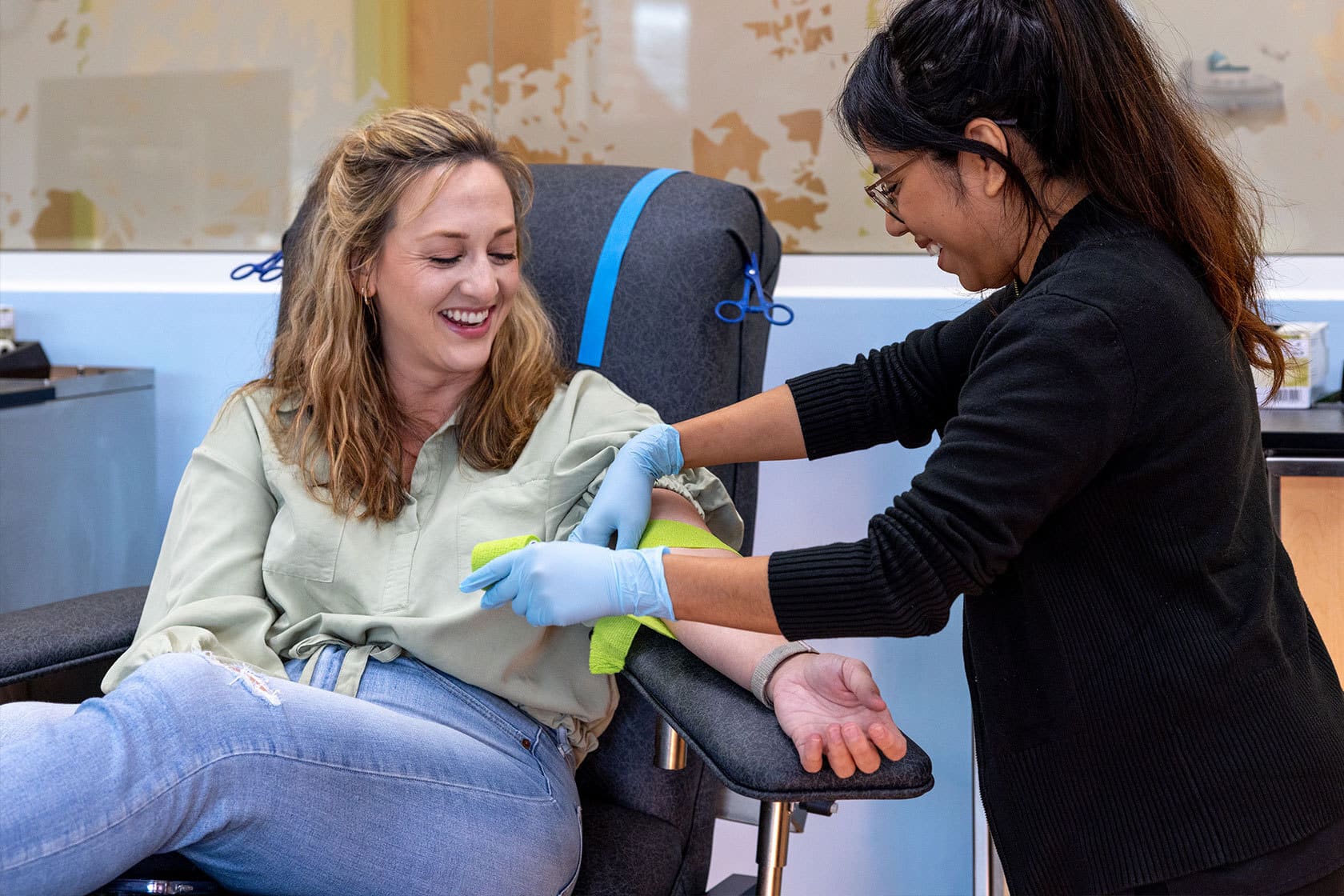
Blood donors

Community Spotlight: Recognizing Outstanding Blood Donors

Blood donation is a life-saving gift. Without generous donors, patients in need would lack the vital resource they need to live the healthiest life possible. Many people choose to donate purely from the kindness of their hearts. Others have experienced the impact of blood donations personally. No matter why people choose to donate, their willingness to give provides hope to those in need. 

At The Blood Connection, we recognize that our mission of saving lives would be impossible without our blood donors. We appreciate their willingness to give blood and their excitement for the difference their donations will make in the lives of others in their communities.

Let’s take a closer look at the impact of blood donations and how we work to give our donors the recognition they deserve.

The Impact of Blood Donations

Medical emergencies often require blood transfusions due to major blood loss or critical surgeries. Donated blood helps stabilize a patient’s condition and prevent further complications. For planned procedures, blood donations ensure there’s a sufficient supply of blood to perform operations successfully.

Patients with cancer or blood disorders require ongoing treatment and regular blood transfusions to alleviate medication-related side effects and improve their overall health. Without these vital transfusions, patients would not have the strength to undergo rigorous treatment regimens.

From time to time, childbirth complications also require timely blood transfusions to address excessive bleeding or other medical issues. In these situations, donated blood can save the lives of mothers and their babies.

On a larger scale, blood donations are crucial in maintaining a constant blood supply and preventing shortages. Hospitals and healthcare facilities need to have a sufficient supply of blood products on hand for both planned and unplanned procedures.

The best part about blood donation is that it’s not just a one-to-one donor/recipient ratio — a single donation can save up to three lives! This fact alone shows the life-changing ripple effect that the selfless generosity of blood donors can have on the lives of individuals and families.

TBC Rewards Program

Saving lives is its own reward. But here at The Blood Connection, we recognize that donors are taking time out of their days to make a difference, so we think it’s important to do a little more to acknowledge their generosity. With the TBC Rewards Program, our loyal donors get additional perks for donating — and we make it easy to get started.

When you become a TBC donor, you’ll create a personal donor profile that connects to your rewards account. Once your account is linked to your profile, you can access it using the Donor Portal. The TBC Donor Portal lets you view your blood type, edit your contact preferences, see your donation eligibility data, take a survey about your donation experience, and view your mini-physical results. You can also use it to see how many reward points you’ve earned.

As part of the TBC Rewards Program, you receive reward points every time you donate. These points can be collected and redeemed for an eGift card of your choosing. We’ve recently updated the TBC store to include even more eGift card options for our loyal donors.

Why Donor Recognition Is Important

Beyond the TBC Rewards Program, we love sharing donor stories, whether that be on our website or social channels. Our donors drive the mission of The Blood Connection, so we think it’s important for them to have a chance to share what donating blood means to them. Here are a couple stories that highlight the personal impact and critical importance of every donation.

Shelby’s Story

Shelby is a high school student and regular donor at The Blood Connection. She initially thought donating blood was just something people did to make a little extra money, but her perspective changed when she learned the life-saving impacts of blood donation. Shelby currently works as a tech at MUSC, so she’s seen firsthand how blood is used on her unit. “It’s probably one of the most important things someone can do,” she said.

As the president of her local Future Health Professionals club, Shelby has scheduled multiple TBC blood drives to unite others around the mission of saving lives through blood donations. We appreciate her dedication to donating and her desire to help others become regular donors.

Lisa’s Story

Lisa had a cesarean section and a hysterectomy when she gave birth, and blood donations saved her life. Since then, she’s become a regular donor at The Blood Connection and encourages others to do the same. “Don’t think. Don’t stop,” she said. “Drive to a donation center and come give blood. Somebody needs it. You might need it in the future.”

Lisa drives over an hour to get to her local center and donate. For her, every mile is worth it. “You’ll walk away feeling like you’ve done something great for someone else.”

Telling our donors’ stories helps build a sense of community that makes The Blood Connection unique. Our community of donors can see they are part of a larger group committed to a common goal of supporting the health of others. 

Beyond their individual donations, our donors play a crucial role in raising awareness about the importance of blood donation and the need to maintain a steady blood supply. Their stories provide an opportunity to educate others about the significance of donating blood.

How You Can Get Involved

Becoming a donor at The Blood Connection is easy. Simply schedule your appointment online by visiting our website. To set up your donation, just click the “Donate Now” link and provide your zip code. With that information, we’ll locate a donation center near you. And while we prefer you make an appointment, it’s not required. Walk-ins are always welcome. 

When you arrive at a TBC donation center, provide your personal ID and donor ID card. You’ll be eligible to donate as long as you meet all the blood donor requirements. See our Important Donor Information for a complete list of donor eligibility requirements. Once you’ve completed your mini-physical, you can sit back, relax, and save lives.

Like Shelby, you can also get involved by hosting TBC blood drives. Our mobile donation centers can come to you. You bring the donors; we’ll do the rest. Complete the Host a Drive form on our website to start planning your drive today.

Ready to donate? Schedule your appointment at The Blood Connection today to start saving lives and earning rewards! 

Behind the Scenes: A Day in the Life of a Blood Connection Team Member

Behind the Scenes: A Day in the Life of a Blood Connection Team Member

behind the scenes

Behind the Scenes: A Day in the Life of a Blood Connection Team Member

Donating blood isn’t just a nice thing to do; it’s a selfless act that saves lives. From emergency trauma care to ongoing cancer treatments, countless medical procedures require blood transfusions every day. But maintaining an adequate blood supply requires ongoing donations — and ongoing donations require a dedicated staff.

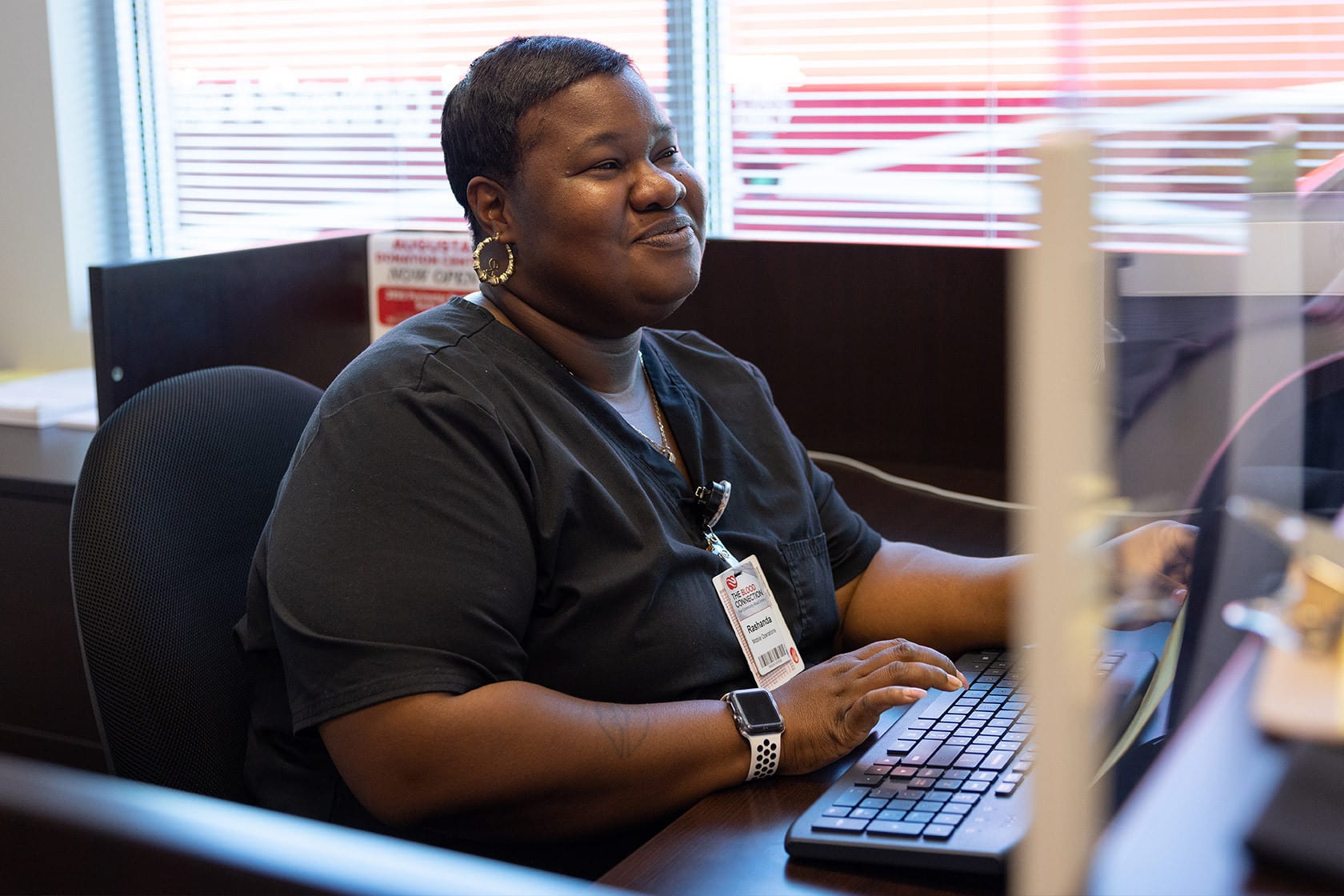
Blood donor technicians are the heart of every donation center. They’re responsible for determining donor eligibility and overseeing the donation process. Without our team of dedicated technicians, The Blood Connection would not be able to impact the lives we do.

Let’s take a closer look at what our blood donor technicians do every day to ensure the blood donation process runs as smoothly as possible.

The Role of a Blood Donor Technician

Blood donor technicians are the face donors see when they walk into donation centers. They are responsible for making every person feel comfortable and informed about the donation process. 

At the start of the process, technicians screen all potential donors to determine their eligibility to donate. They review all blood donor requirements and discuss their medical history, recent travel, medications, and potential risk factors. These steps protect both the donor and the eventual recipient.

Preparing for Donations

Cleanliness is a non-negotiable in the world of blood donations. As a donor, you’re willing to take time to donate a life-giving resource. We seek to be good stewards of your donation by providing a safe and clean environment. 

Before starting the collection process, our technicians prepare the necessary equipment and sterilize the collection site, ensuring everything is clean and ready for use. They check that all the essentials — blood collection bags, needles, tubes, and tourniquets — are sterile and in proper working condition. They also take the extra step of making sure everything at the collection site is organized and easily accessible. 

Greeting and Educating Donors

Whether you’re a new or regular donor, the blood donation process can feel overwhelming without the right information and resources. Our blood donor technicians are here to provide you with just that. Upon entering the donation center, you’ll be greeted by a technician who will explain the donation process, answer any questions or concerns, and provide a reassuring and positive experience. They’ll also verify your identity and confirm your eligibility by checking your personal ID and blood donor card. If you’ve completed the TBC Express Questionnaire, all you have to do is show your QR code to the blood donor technician.

The technicians are responsible for completing the mini-physical step in the donation process. Techs screen every donor to ensure they meet the physical requirements for donating. The screening process includes reviewing your medical history, current health status, and potential risk factors. During the screening, you will be informed about what to expect during your donation, how long the procedure will take, and any potential side effects.

The Collection Process

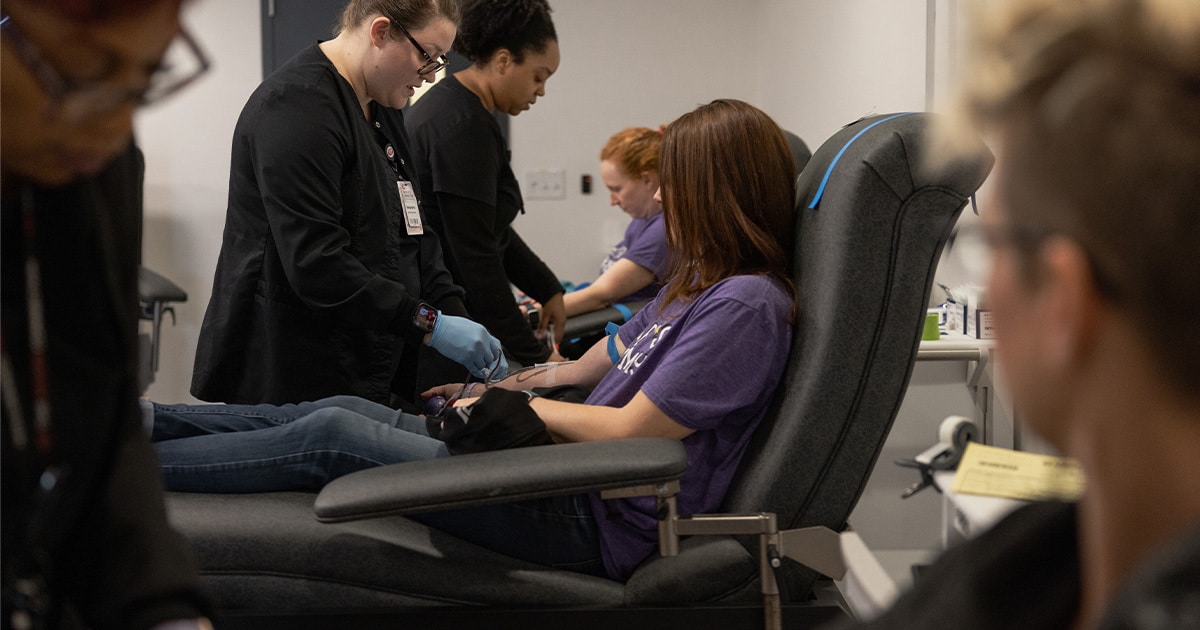
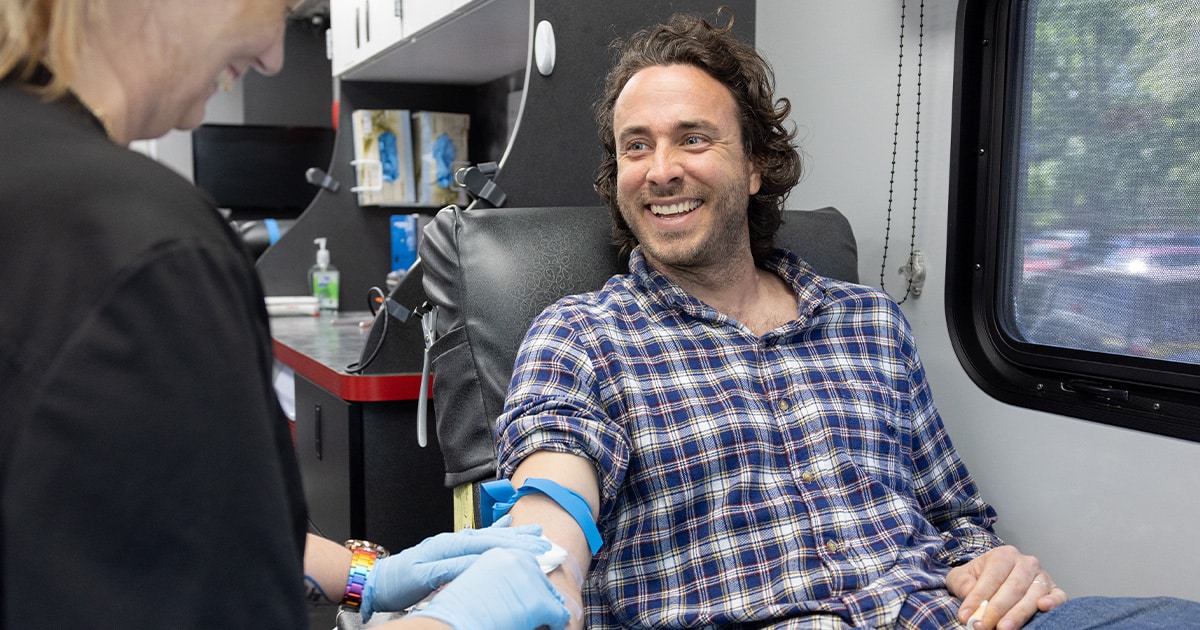
Once the necessary preparations are complete, our phlebotomists will begin the collection procedure. They’ll help you lie comfortably and relaxed to prevent dizziness or fainting during donation. They’ll then apply a tourniquet to help them locate and access a suitable vein. Every phlebotomist is trained in venipuncture and knows how to quickly locate suitable veins that ensure the collection runs smoothly. 

After identifying the best vein, the blood donor technician cleans the venipuncture site with an antiseptic solution to prevent infections. They’ll use a sterile needle and carefully insert it into the designated vein. The technician then connects the blood collection tube and bag to the needle.

Our technicians do their best to keep every donor comfortable throughout the collection process. They carefully monitor for any adverse reactions or signs of distress, and they are equipped to respond quickly to any issues and provide the appropriate care. If you experience discomfort during your donation, let a phlebotomist know, and they’ll be happy to help.

Post-Donation Care

During and after the blood collection procedure, blood donor technicians follow safety and infection control protocols to prevent the transmission of diseases. The collection site is kept clean and sterile throughout the entire process. 

Once the collection is complete, the technician labels all collected samples and completes the proper documentation to maintain the consistency of the process and the integrity of the donation. The donor and donation information is then entered into computer systems to ensure that records are up-to-date and complete.

Equipment Maintenance and Clean-Up

When the donation is complete and all records have been updated, a blood donor technician resterilizes all reusable equipment to prepare the collection site for the next donor. The technician will carefully disconnect the used blood collection bags, needles, and tubes. They follow strict safety protocols to avoid accidental needle sticks and the risk of exposure to bloodborne pathogens. 

To protect donors and staff alike, materials such as gloves, gauze, used needles, collection bags, and other disposable items are safely discarded in biohazard containers. Finally, the donor’s seating area, the collection equipment, and any surfaces the donor may have come in contact with are thoroughly cleaned and disinfected. 

Blood Donor Technicians Make a Lasting Impact

For many blood donor technicians, their job is their passion. They’ve witnessed time and time again the life-changing impacts of blood donations, and they love being part of the donation process.

Shannon, a team lead at one of The Blood Connection donation centers, started working for The Blood Connection because she believes in our mission of saving lives. Through personal experience, she understands the powerful impact a single donation can have on multiple lives.

There was a time in Shannon’s life when her granddaughter required blood products. And thanks to generous donors, her granddaughter’s health was restored.

“It feels good knowing my job is saving lives,” Shannon shared. To her, working at The Blood Connection is more than just a job; it’s an opportunity to make a lasting impact and help those in need. 

Blood donor technicians like Shannon work diligently to provide a safe place for donations to occur, and they offer the support and guidance that allow donors to walk into donation centers with confidence and complete their donations with ease. Technicians don’t just ensure the safety of donors; they also ensure that the donated blood is safe for use and gets to where it needs to be. Our team of technicians is the reason that lifesaving blood can successfully go from donors to patients in need.

Would you like to know more about the blood donation process? Visit The Blood Connection website today. Then, when you’re ready to begin the donation process, our team of technicians will be ready to help you. Schedule an appointment today to start saving lives!

Universal Blood Donors

Universal Blood Donors

Universal Blood Donors

In an emergency situation that requires a blood transfusion, time is of the essence. As precious moments tick by, there’s not a minute to waste, and oftentimes, medical providers that are caring for patients reach for the blood that they know will help complete a successful transfusion — type O-negative (O-). 

Type O-negative is a really special kind of blood because it is the Universal Donor to all blood types. In this blog, we will take a closer look at O- and get into the nitty-gritty of what makes it so precious in the medical community. 

Universal Blood Donors

When a blood transfusion takes place, medical providers can’t just choose any blood type for the recipient. The antigens that are present in your blood are designed to attack foreign substances (like bacteria and viruses) to keep you safe, and it might mistake an unfamiliar antigen as a threat, which can have life-threatening results for a recipient if the wrong blood type is transfused. For this reason, transfusions must be done with specific blood types with like antigens, or with no antigens.

This is where type O- can save the day! O-negative blood has no antigens or Rh factors, so it won’t trigger an immune response in a recipient. This is why it has been dubbed the Universal Donor — it is the only blood type that can safely give to every other blood type. 

To understand why O-negative blood is the universal donor, we need a quick lesson on the properties of different blood types. Blood types are determined by the presence, or absence, of two antigens known as A and B. Another characteristic that differentiates blood types is called the Rh factor, which can either be present (+) or absent (-) — resulting in eight main blood types. These types are A+, A-, B+, B-, AB+, AB-, O+, and O-. O- is the incredible blood type that can safely donate to all eight types!

Why Type O-Negative Blood is Important

Because O-negative blood is the Universal Donor, it is often in high demand at hospitals and blood banks. In an emergency situation, when someone needs blood quickly, it’s not always possible to know the patient’s blood type. Ideally, transfusions are done with a recipient’s exact blood type — and even then, the donor’s and recipient’s blood are mixed to check compatibility in a process called crossmatching. However, clinicians don’t always have the luxury of time. When there’s not a moment to lose, type O-negative blood is usually the best option for an emergency transfusion. 

Outside of emergency situations, O-negative blood is also the safest bet for newborns who have deficiencies and need transfusions. Even the littlest recipients can benefit from Universal Donor blood! (and PS – The Blood Connection also collects blood specifically for babies!)

Schedule a Donation Today

Do you know your blood type? You might have that incredible O-negative blood flowing through your veins and not even know it! Only 7% of the population has O-negative blood. However, no matter your blood type, giving blood is an important and selfless thing to do. You can save up to three lives with each donation!

If you’re interested in knowing your blood type and donating blood, contact The Blood Connection or visit our website at thebloodconnection.com. We’d be happy to talk with you and tell you about the amazing things that giving blood can do for your community!

Donating Blood and Diabetes

Donating Blood and Diabetes

Diabetes

Donating Blood and Diabetes

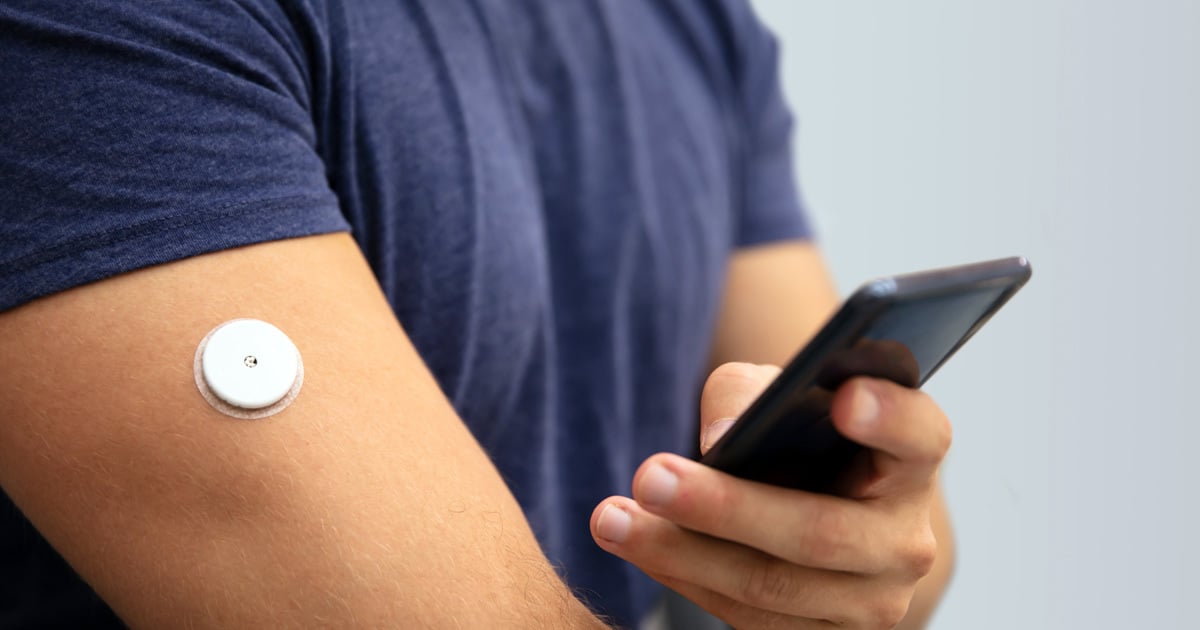
Although blood centers constantly need donations to keep their supply levels stable, a surprisingly low percentage of Americans give blood each year. Only 3% of eligible donors give blood each year, possibly because many eligible donors don’t know they meet the donation requirements. For example, people with diabetes are often unsure whether or not they can become blood donors. It’s easy to see why since diabetes is a disease that affects the blood. The good news is that even if you have diabetes, you may be eligible to give the gift of life!

Today, we will review when people with diabetes can donate blood and share some tips to make the donation process successful. 

Can people with diabetes give blood?

If you are in generally good health and your diabetes is well-managed – then yes, you can give blood! It doesn’t matter if you have Type 1 or Type 2; as long as the diabetes is under control, you are an eligible donor. Congratulations!

Although having diabetes doesn’t automatically disqualify a potential donor, it is still a good idea to check with your doctor before donating. It is crucial to ensure that your blood glucose level is within the target range set by your medical provider, as blood with too much sugar does not store well. 

If you have a doctor’s appointment in the days following your donation, it’s important to let your physician know that you’ve recently given blood. Some people with Type 1 diabetes report slightly elevated blood glucose levels 3-5 days after donating. Donating can also cause A1c or HbA1c levels to be falsely lowered. This is likely due to the temporary loss of blood volume and accelerated red blood cell turnover following a donation. 

It’s also worth noting that the type of medication you take to manage your diabetes won’t disqualify you from donating blood. Whether you take insulin injections or oral medications, you are still eligible to give blood as long as a qualified health professional prescribes the medicine and it helps keep your condition under control.

Blood donation tips for diabetics

Before making an appointment to donate blood, there are a few things to keep in mind so that your donation experience goes as smoothly as possible:

  • Check your blood glucose levels regularly in the days leading up to your appointment.
  • Drink extra water on the day of your donation to avoid dehydration and feeling unwell.
  • Follow a healthy diet that keeps your diabetes under control, especially if your doctor recommends it.
  • Get ready to become a lifesaver!

There are so many misconceptions about who can and cannot donate blood, and we want everyone who is eligible to know they can save up to three lives with each donation. Even if you were previously told that you weren’t eligible to donate blood due to diabetes, we encourage you to review our updated eligibility requirements. There’s a good chance that you can give the gift of life to someone who needs it.

If you’re thinking about giving blood, want to make an appointment, or are interested in hosting a blood drive, visit The Blood Connection website or contact us today. We would love to chat with you about the donation process and share how your selflessness can benefit your community!

Blood Donation and Cancer

Blood Donation and Cancer

Cancer

Blood Donation and Cancer

Here at The Blood Connection, we get a lot of questions about blood donation and how it relates to cancer. This isn’t surprising, considering that approximately 39.5% of men and women will be diagnosed with cancer at some point in their lives. Cancer impacts almost every American in one way or another — whether they are personally diagnosed or have a close friend or family member who receives a diagnosis. 

With this in mind, let’s answer some of the most common questions regarding cancer patients, cancer survivors, and blood donation. 

Can cancer patients give blood?

The short answer here is no, cancer patients cannot give blood until they’re in remission, no matter what type of cancer it is. Why? This precaution is for the safety of both cancer patients and potential blood recipients. Although the chance is very low, it is possible that a blood transfusion recipient with a weakened immune system might not be able to fight off the cancer cells (if present) in the blood they receive. Because of this possibility, cancer patients are not eligible to donate blood — but they may be able to in the future when they are in remission.

Can cancer survivors donate blood?

Yes! Most cancer survivors are eligible to donate blood. If the cancer has been successfully treated and it has been 12+ months since the last treatment was completed, cancer survivors can be blood donors. It’s important to note, however, this waiting period isn’t required for all cancer survivors. Those who have had lower-risk cancers such as squamous or basal cell cancers can donate if the cancer has been removed and healed completely — no 12-month waiting period is required. 

Blood Transfusions in Cancer Treatment

Blood donations play a critical role in the treatment and recovery of cancer patients. In fact, 25% of the nation’s blood supply goes to help cancer patients for  life-saving treatments. Many cancer patients, especially those undergoing chemotherapy, need regular blood transfusions to lessen the unpleasant side effects of treatments and improve their quality of life. 

Since cancers of the blood affect blood production the most, patients with these cancers are most in need of blood transfusions. Transfusions reduce the risk of complications that can come with a low cell count, and they also give the body healthy blood cells that it’s not producing on its own. 

Although nearly 1.9 million people are diagnosed with cancer each year, and many of these patients will need a blood transfusion at some point during their treatment, only 3% of eligible Americans donate blood each year. This is just one of many reasons why donating blood is so important! There’s a good chance your donation could help someone battling cancer, and just a few minutes of your time can make a lifelong difference for them.

If you are considering donating blood or setting up a blood drive in your community, visit The Blood Connection website to get in touch with us today.  We would love to talk with you and give you more information on how you can be a lifesaver in your community. 

What Men Need to Know About Giving Blood

What Men Need to Know About Giving Blood

What Men Need to Know About Giving Blood

People have a lot of questions about donating blood. 

  • Will donating blood make me sick?
  • Can I give blood if I’m a vegetarian?
  • Can I donate if I’m on [insert medication here]?

It’s only natural for people to wonder whether they’re eligible to donate blood and how the process will affect them. Today, we’re going to address a few of the questions that usually come from our male donors. Men, guys, fellas, dudes … you’ve got questions. We’ve got answers. 

Does donating blood lower testosterone levels?

Many men wonder if giving blood will lower their testosterone levels – and the answer here is simple: Nope, it won’t long term. There are no associations between blood donation and lower testosterone levels. That being said, if testosterone levels are a concern, we certainly recommend following up with a physician.

Does giving blood impact cardiovascular health?

While cardiovascular events are scary for both men and women, men tend to be at a higher risk. How much higher? Between 70% and 89% of sudden heart attacks happen in men. There are numerous reasons why this is the case, but the fact remains that heart health is important, and one surprising way that men (and women) can improve their cardiovascular health is by giving blood regularly. Why is that? Good question.

Donating blood reduces blood viscosity. Blood viscosity can be a reliable predictor of a cardiovascular event in a patient. The thicker and stickier blood is, the more friction there is in blood vessels. This friction can cause damage and contribute to the possibility of a cardiovascular event. Giving blood can reduce the viscosity of a patient’s blood, reducing the potential damage to their blood vessels. 

A study published by the Journal of the American Medical Association (JAMA) backs up this idea. The study found that participants between the ages of 43 and 61 had fewer heart attacks and strokes when they donated blood once every six months. This is great news! These findings suggest that donating blood not only helps others but can also benefit your personal health. It is important to note though: to maintain proper cardiovascular health, it is also essential to lead a healthy lifestyle that includes regular exercise and a balanced diet. If you are healthy, that also makes you eligible to donate blood in the first place.

Can donating blood burn calories?

Did you know donating blood will burn calories? Yep, it’s true! A study from the University of California San Diego found that blood donors burn an average of 650 calories per session. While this is something that both men and women can benefit from, men may especially be interested in burning a few extra calories as statistics show that men tend to be more overweight than women — 33% of men compared to 25% of women.

Of course, giving blood shouldn’t be the only tool people use to burn calories for weight loss. Just as with maintaining heart health, it is also important to exercise regularly and eat a well-balanced diet when trying to lose weight.  

Does being a blood donor reduce cancer risk?

There is no single factor that determines someone’s cancer risk; however, donating blood can reduce the risk of at least one contributing factor. 

Donating blood can reduce iron in the body, and the reduction of iron stores is linked to a lower risk of cancer, according to The Journal of National Cancer Institute. Iron is thought to increase free-radical damage in the body, and this damage has been linked to a higher risk of cancer and aging. Since men are more likely to get cancer than women, this is certainly a factor to consider when setting up an appointment to donate blood.  

Donating blood has more upsides than most people think. Not only can you save up to three lives with just one donation, giving blood also has many benefits for your health. To learn more about donating blood or to find a TBC location near you, visit our website or contact us. We would love to hear from you!